- RAG and Retrieval Systems
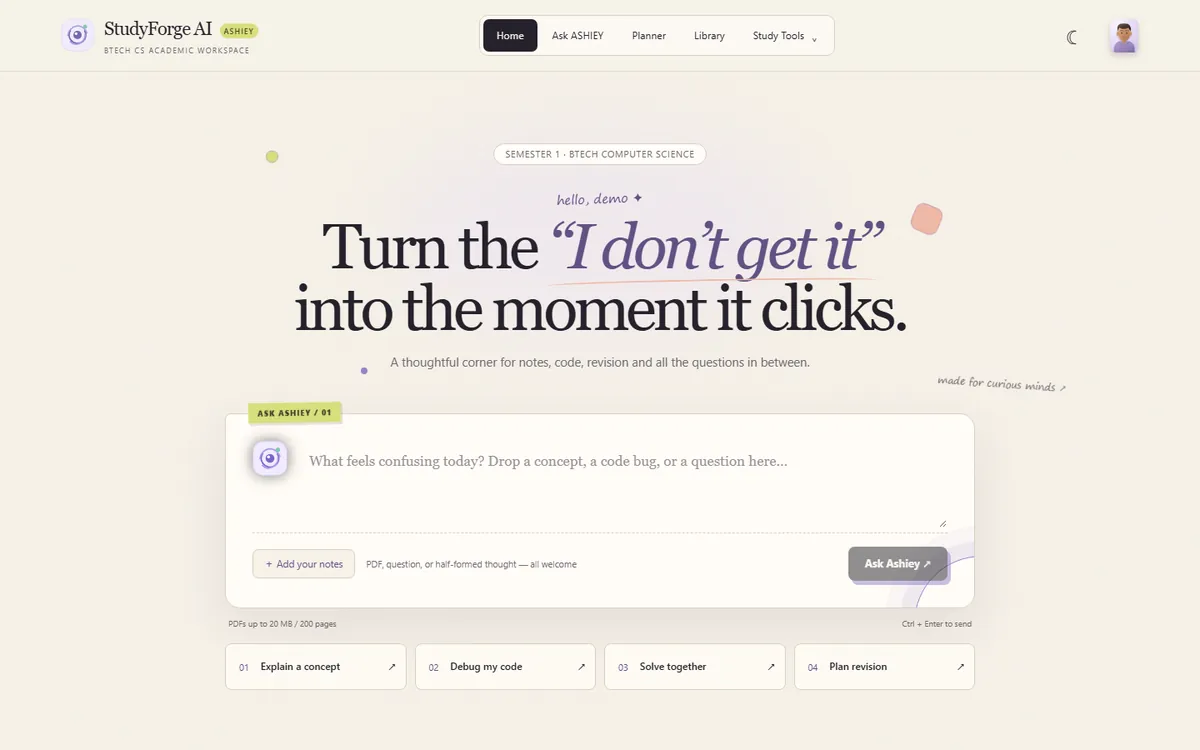
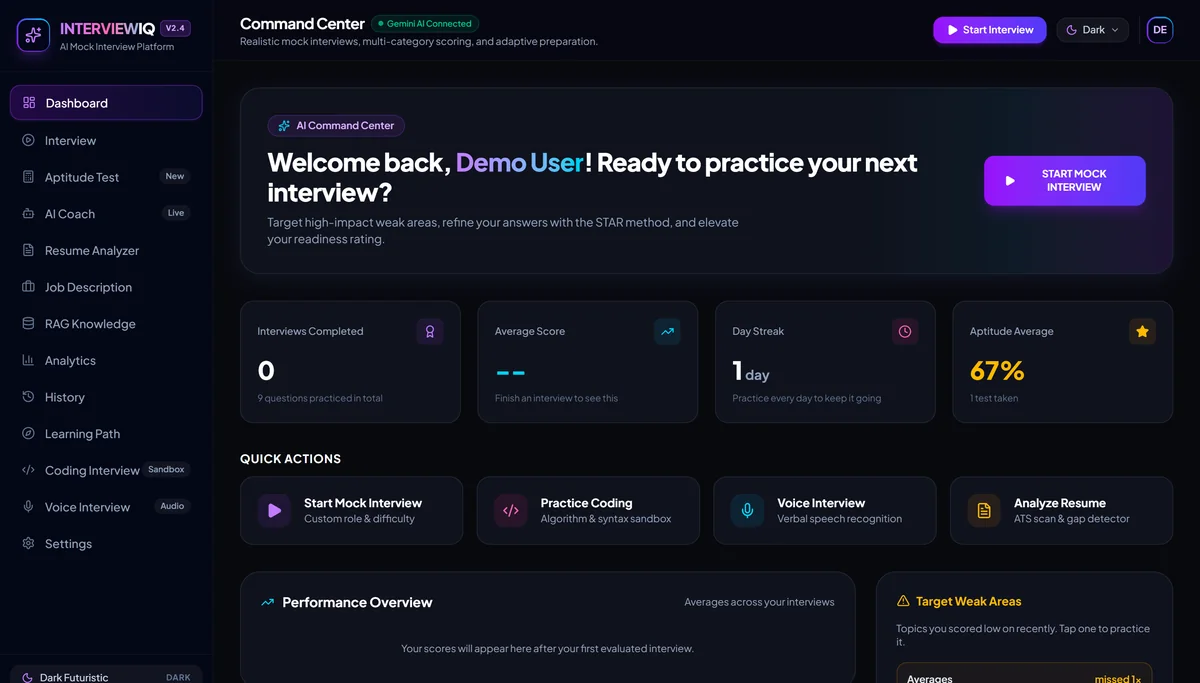
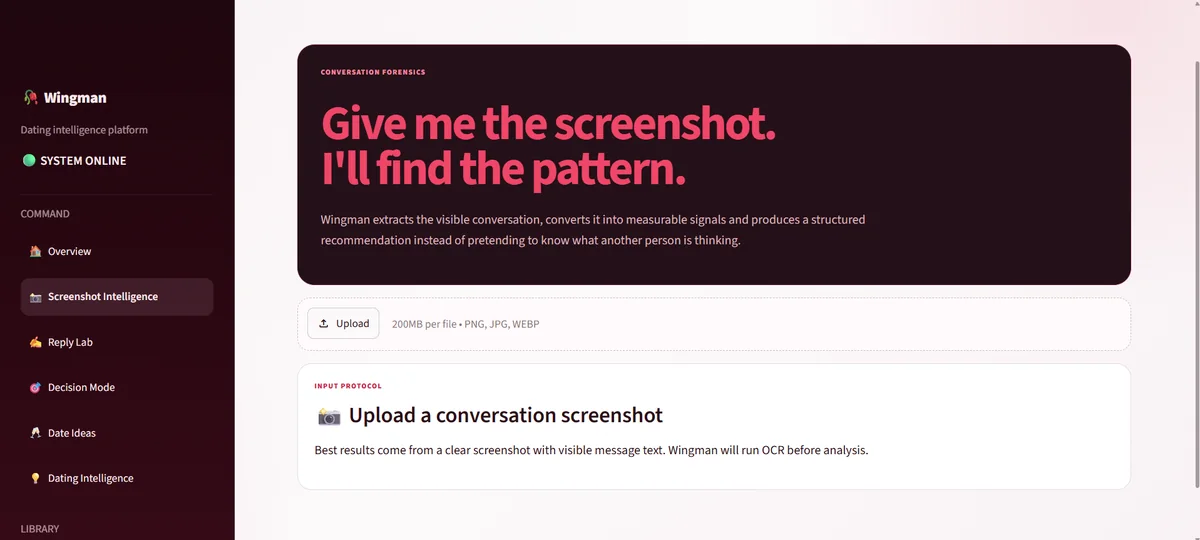
- Finding the right source text first, so a result rests on real material. Used in: Wingman AI (TF-IDF retrieval over a local knowledge base.); StudyForge AI (Retrieval over chunks of uploaded PDFs.); InterviewIQ (A knowledge base ranked by keyword matches.).
- Generative AI and LLM Applications
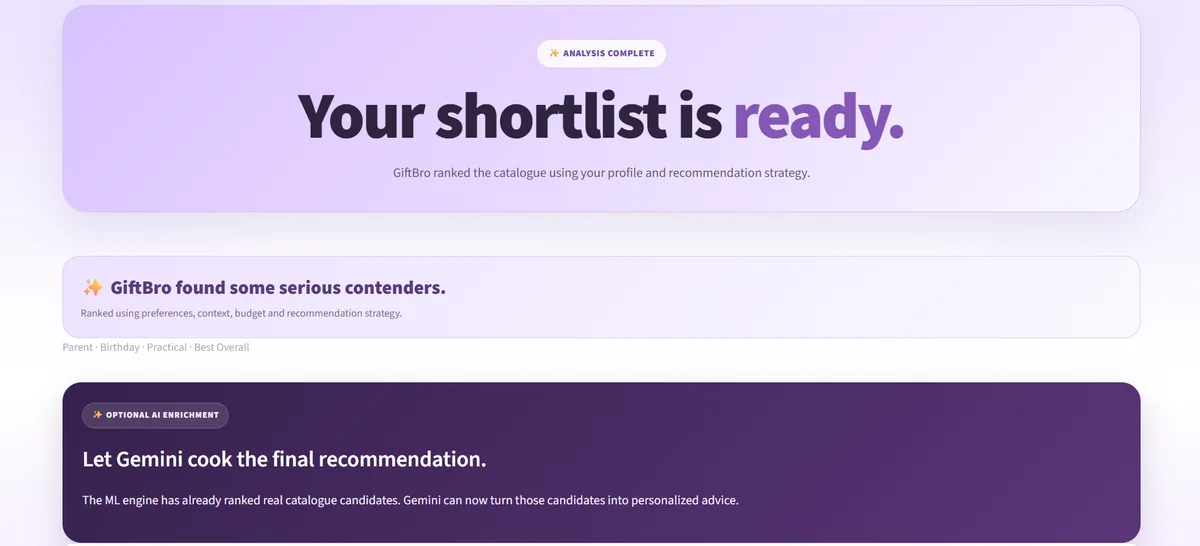
- Using language models where they help, inside a system that keeps them on track. Used in: InterviewIQ (Gemini generates questions and evaluates answers.); GiftBro AI (Gemini personalizes a shortlist it cannot change.); StudyForge AI (Gemini writes answers, flashcards and quizzes.).
- NLP
- Turning human language into signals and scores that software can act on. Used in: Wingman AI (Signal analysis of conversations.); StudyForge AI (Text processing for retrieval over study material.).
- Recommendation Engines
- Ranking real items against a profile, in a way that can be explained. Used in: GiftBro AI (Hybrid TF-IDF and weighted ranking of catalogue gifts.).
- Backend and API Engineering
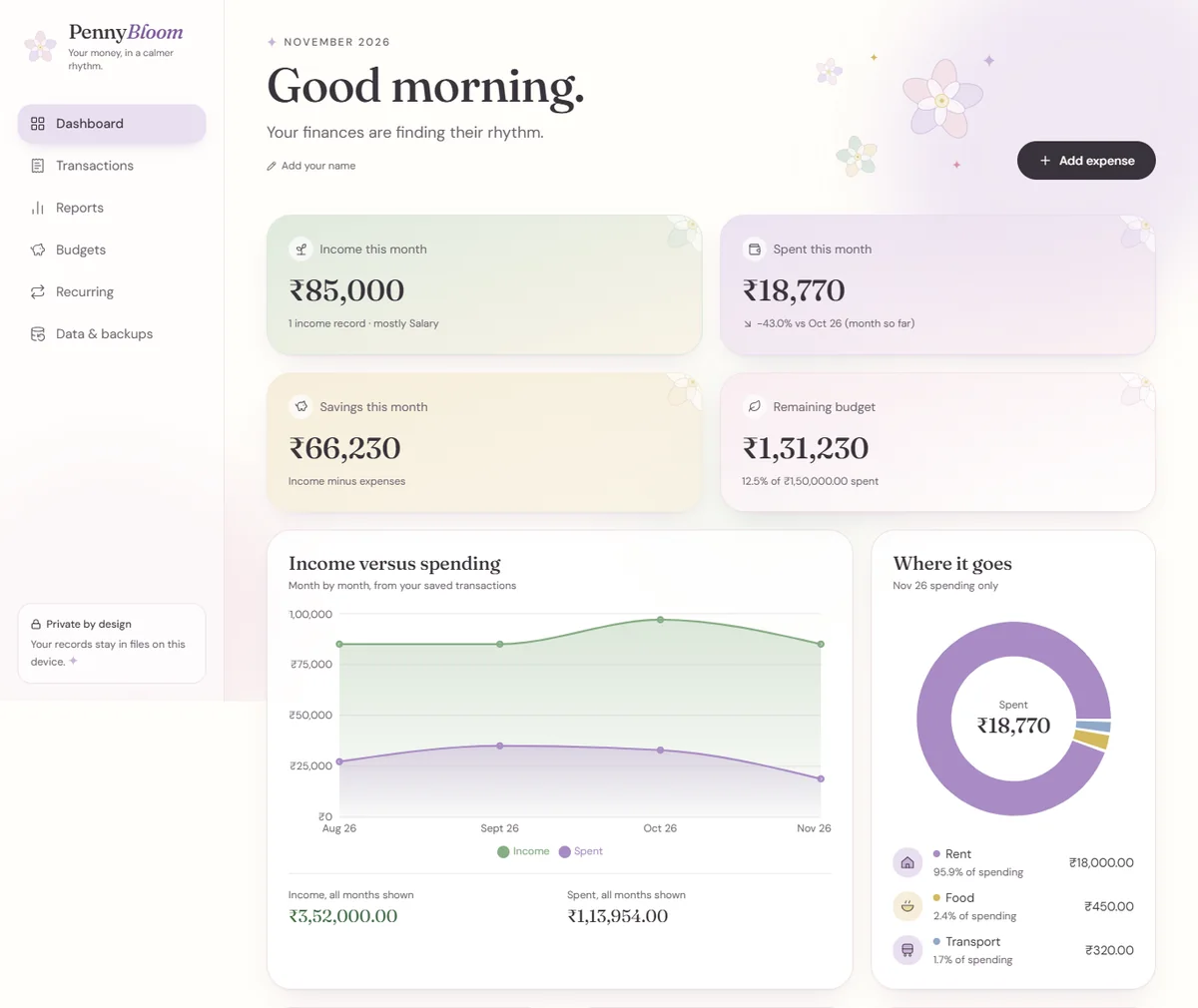
- The services, data and contracts that make everything else dependable. Used in: InterviewIQ (FastAPI routers with JWT authentication.); Wingman AI (A REST API over the analysis core.); GiftBro AI (A REST API over the recommender.); StudyForge AI (FastAPI for accounts, documents and chat.); PennyBloom (A thin FastAPI layer with no business logic.).
- Intelligent Data Applications
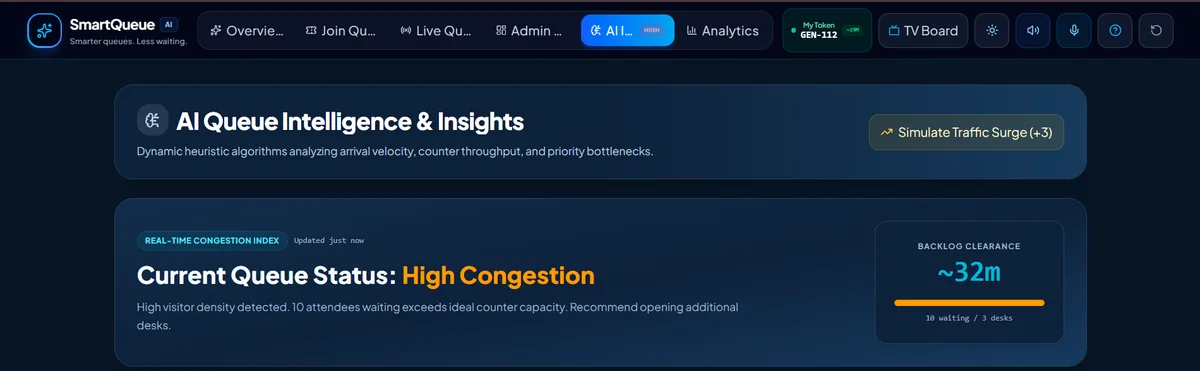
- Turning everyday records into something a person can understand and use. Used in: SmartQueue AI (Rule-based congestion insights from queue state.); PennyBloom (Reports, budgets and trends from personal records.).
- Machine Learning
- Learning from data. Here it vectorizes text and scores candidates; none of these projects trains a predictive model. Used in: Wingman AI (Scikit-learn TF-IDF vectors for the knowledge-base search.); StudyForge AI (Scikit-learn TF-IDF vectors for retrieval over PDF chunks.); GiftBro AI (Scikit-learn similarity plus engineered match scores for each gift.).
- OCR and Document Intelligence
- Reading the text inside images and documents, so it can be analysed. Used in: Wingman AI (Reads chat screenshots with Tesseract OCR.); StudyForge AI (Extracts PDF text page by page with PyMuPDF, then chunks it.).
- AI Models and Platforms
- The model APIs behind the generative features, and calling them reliably. All three use Google's Gemini API. Used in: InterviewIQ (Gemini through the GenAI SDK, with three attempts per request.); StudyForge AI (Gemini with a fallback model, and Groq for streamed chat.); GiftBro AI (Gemini with a response schema it must follow.).
- Data and Database Systems
- Where the data lives, and how it is queried. Used in: StudyForge AI (SQLite with hand-written SQL for documents, chunks and study material.); Wingman AI (SQLite for saved analyses and history.); GiftBro AI (SQLite for recommendation history.); InterviewIQ (SQLAlchemy over SQLite locally; its Docker setup runs PostgreSQL.).
- Frontend Engineering
- The interfaces people actually use, from React apps to Python dashboards. Used in: StudyForge AI (A Next.js and React study workspace.); PennyBloom (A React, TypeScript and Tailwind CSS finance app.); InterviewIQ (A React, TypeScript and Tailwind CSS interview platform.); SmartQueue AI (React, TypeScript and Tailwind CSS queue screens.); Wingman AI (A Streamlit interface for the analysis.); GiftBro AI (A Streamlit interface for recommendations.).
- Analytics and Forecasting
- Turning records into figures, trends and stated estimates. Used in: PennyBloom (Reports, a least-squares spending trend and a next-month estimate from a three-month average.); SmartQueue AI (Wait and service times, priority share and no-shows from queue tokens.); InterviewIQ (Score history and topic averages across interviews.).